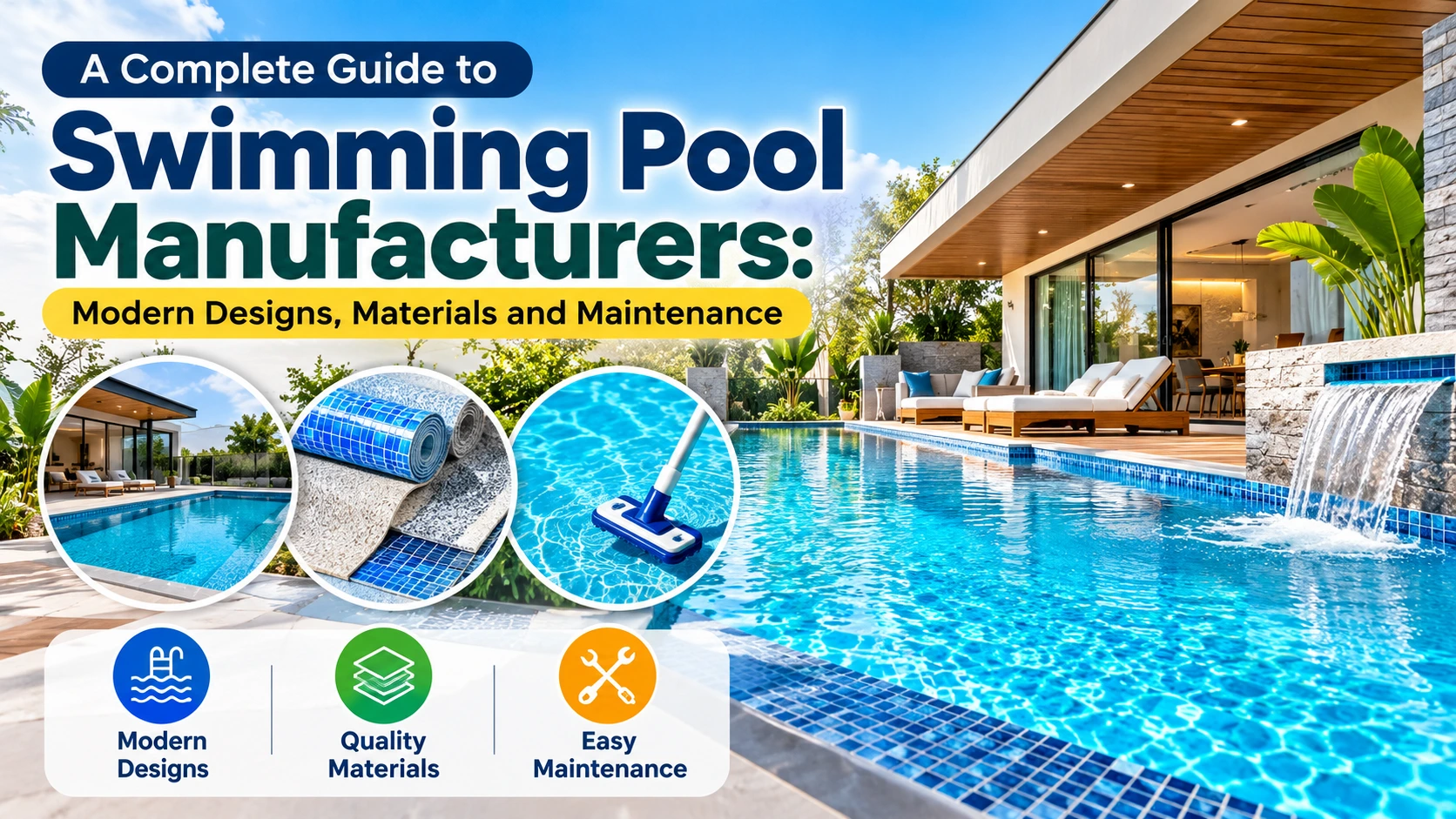
A swimming pool is more than a place to swim. It can improve the appearance of a property, provide a space for relaxation, and support fitness and recreational activities. Whether you are planning a swimming pool for a hotel, resort, residential property, sports facility, or commercial complex, choosing the right swimming pool manufacturer is an important decision. Proper planning, suitable materials, and quality construction help create a pool that meets your needs and remains useful for years.
Today, swimming pool designs are available in different shapes, sizes, depths, and finishes. However, selecting a suitable design is only one part of the process. You must also consider construction quality, waterproofing, filtration systems, drainage, safety, and long-term maintenance. This guide explains the important aspects of swimming pool design, materials, construction, and maintenance to help you make a well-informed decision.
1. Understanding the Role of Swimming Pool Manufacturers
Swimming pool manufacturers and construction specialists help plan and develop swimming pools according to the available space, intended use, and project requirements. Their work may include design planning, material selection, structural construction, waterproofing, plumbing, filtration equipment, finishing, and installation, depending on the services they offer.
Before starting a project, discuss your requirements clearly. A residential pool may need a compact design with simple maintenance, while a hotel or sports facility may require a larger pool with higher usage capacity and appropriate safety arrangements.
UNS Global is a name to consider when exploring swimming pool-related solutions for residential and commercial projects. Before selecting any provider, review its relevant experience, project portfolio, technical capabilities, and scope of services to ensure the proposed solution matches your requirements.
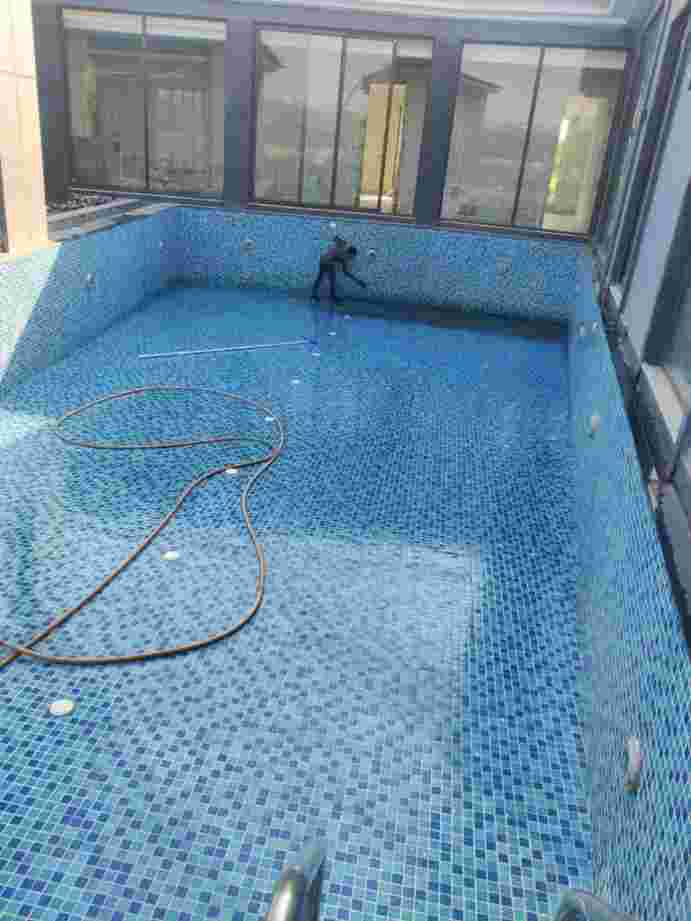
2. Modern Swimming Pool Designs for Different Spaces
Modern swimming pool designs combine appearance, functionality, and efficient use of space. The best design depends on the property layout, budget, user requirements, and local conditions.
Residential Swimming Pools
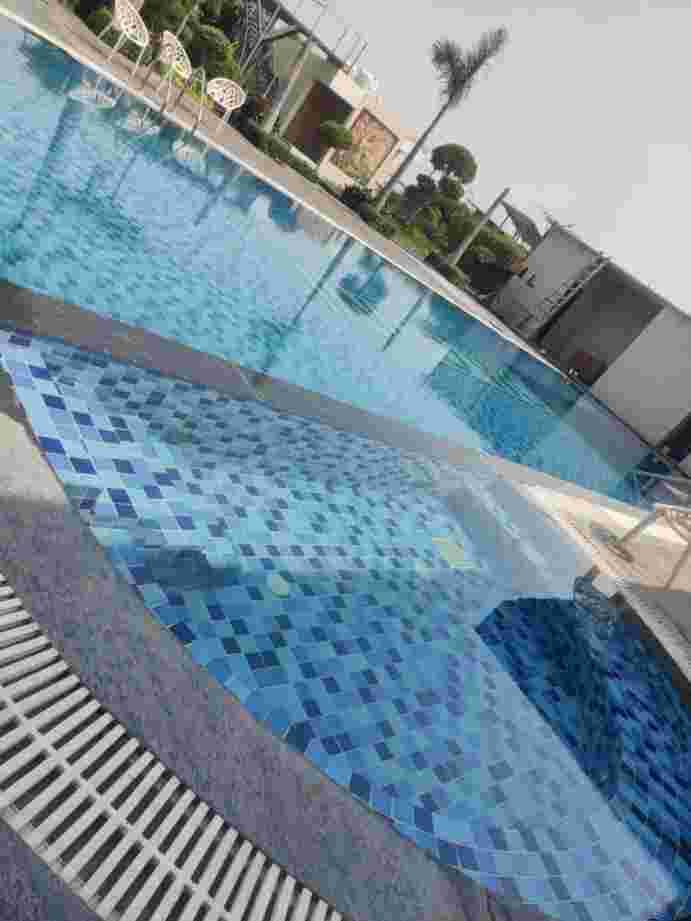
Residential swimming pools are designed for private homes, villas, farmhouses, and residential communities. Compact rectangular pools, custom-shaped pools, and leisure pools are common choices. The design should provide comfortable movement, suitable depth, safe entry points, and convenient access for cleaning.
Commercial Swimming Pools
Hotels, resorts, clubs, and commercial properties often require pools that can accommodate multiple users. These projects need careful planning for circulation, filtration, drainage, changing facilities, and user safety. The expected number of swimmers should guide the pool dimensions and supporting equipment.
Infinity Swimming Pools
Infinity pools create a visual effect in which water appears to extend towards the surrounding landscape. They are often considered for luxury properties, resorts, and locations with attractive views. Their construction requires careful level planning, a suitable overflow system, and additional water collection and circulation arrangements.
Indoor and Outdoor Swimming Pools
Indoor pools can provide greater protection from weather, but they require proper ventilation and humidity control. Outdoor pools offer an open environment and may need additional protection against leaves, dust, sunlight, and changing weather conditions.
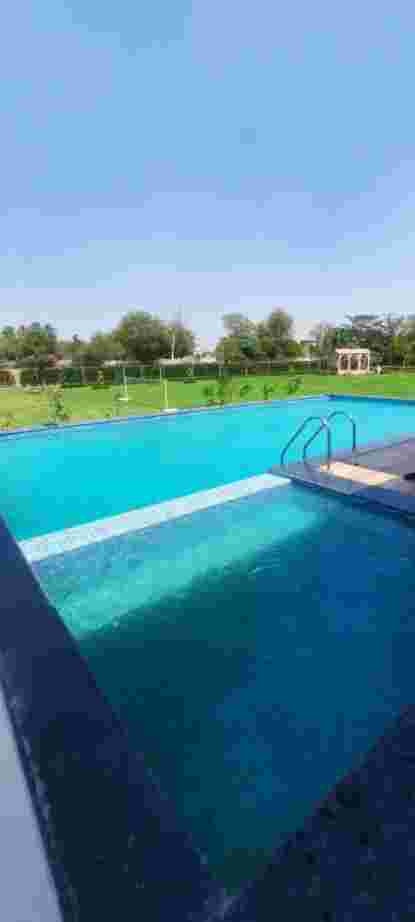
3. Choosing the Right Swimming Pool Construction Materials
Material selection affects the pool’s strength, appearance, installation process, and maintenance requirements. The correct choice depends on the project design and site conditions.
Reinforced Concrete
Reinforced concrete is widely used for custom-designed swimming pools. It allows flexibility in shape, depth, and dimensions. However, the structure requires proper engineering, reinforcement, waterproofing, and curing to reduce the risk of cracks and water leakage.
Fibreglass
Fibreglass pools generally use a prefabricated shell. They can offer a relatively quick installation process where transportation and site access are suitable. Buyers should check the shell quality, installation requirements, surface finish, and compatibility with the site.
Vinyl-Lined Pools
Vinyl-lined pools use a flexible liner fitted over a supporting structure. They can offer different design possibilities, but the liner may need repair or replacement over time. Its expected lifespan depends on material quality, use, and maintenance.
When comparing these materials, consider the total project cost rather than the initial construction price alone.
4. Essential Features of a Well-Designed Swimming Pool
A swimming pool needs more than an attractive finish. Its supporting systems are important for water quality, structural performance, and safe operation.
- Filtration system: Removes suspended particles and helps maintain clean water.
- Water circulation: Moves water through the filtration and treatment equipment.
- Waterproofing: Helps prevent leakage through the pool structure.
- Drainage system: Supports the controlled removal of water where required.
- Pool lighting: Improves visibility and creates an attractive appearance when properly installed.
- Safe entry points: Steps, ladders, and handrails should suit the design and intended users.
- Water treatment: Appropriate disinfection and chemical control help maintain hygienic water.
- Slip-resistant surfaces: Suitable finishes around the pool can help reduce slipping risks.
The size and capacity of pumps, filters, and other equipment should be selected according to the pool volume, expected usage, and applicable technical requirements.
5. Important Factors to Consider Before Choosing a Manufacturer
Selecting a swimming pool manufacturer requires more than comparing quotations. Evaluate the complete project proposal before making a decision.
First, check whether the provider has experience with the type of pool you want to build. Ask for photographs or details of relevant completed projects. Review the proposed materials, construction method, waterproofing approach, filtration equipment, and installation schedule.
Second, request a clear quotation that explains the work included and excluded. Excavation, structural construction, electrical work, plumbing, landscaping, accessories, and maintenance may be priced separately. Understanding these details helps prevent unexpected expenses.
You should also discuss warranties, after-installation support, repair arrangements, and the availability of replacement components. For commercial projects, consider future operating costs and the time required for routine cleaning and servicing.
6. Swimming Pool Maintenance for Long-Term Performance
Regular maintenance helps protect the pool structure, preserve water quality, and support reliable operation.
Clean the Pool Regularly
Remove leaves, insects, and floating debris using suitable cleaning equipment. Brush the walls and floor as needed to prevent dirt and deposits from accumulating. Empty skimmer baskets and clean filters according to the equipment manufacturer’s instructions.
Monitor Water Quality
Test the water regularly for pH, disinfectant levels, and other parameters recommended for the pool system. Maintain these values within applicable guidance for the pool type. Incorrect chemical balance can affect swimmer comfort, damage surfaces, and reduce equipment performance.
Inspect Equipment and Plumbing
Check pumps, filters, valves, lights, and visible pipe connections for leaks or unusual operation. Arrange professional servicing when equipment performance changes or repairs are required.
Check Waterproofing and Surrounding Surfaces
Look for cracks, loose tiles, damaged sealant, and signs of water loss. Investigate unexplained water-level changes rather than assuming they are caused by evaporation. Keep surrounding walkways clean and use appropriate slip-resistant finishes.
7. Conclusion
Building a reliable swimming pool requires careful planning, appropriate construction materials, efficient filtration, proper waterproofing, and consistent maintenance. Modern designs can suit homes, hotels, resorts, clubs, and other commercial spaces, but every project should be planned around its actual requirements.
When comparing swimming pool manufacturers, focus on technical knowledge, material quality, transparent pricing, relevant project experience, and after-installation support. UNS Global can be explored as part of your search for swimming pool-related solutions. Before proceeding, confirm the exact services offered and ensure the selected provider can meet your project’s design and construction requirements.
A well-planned swimming pool can deliver long-term value when design, construction, safety, and maintenance are treated as equally important parts of the project.