
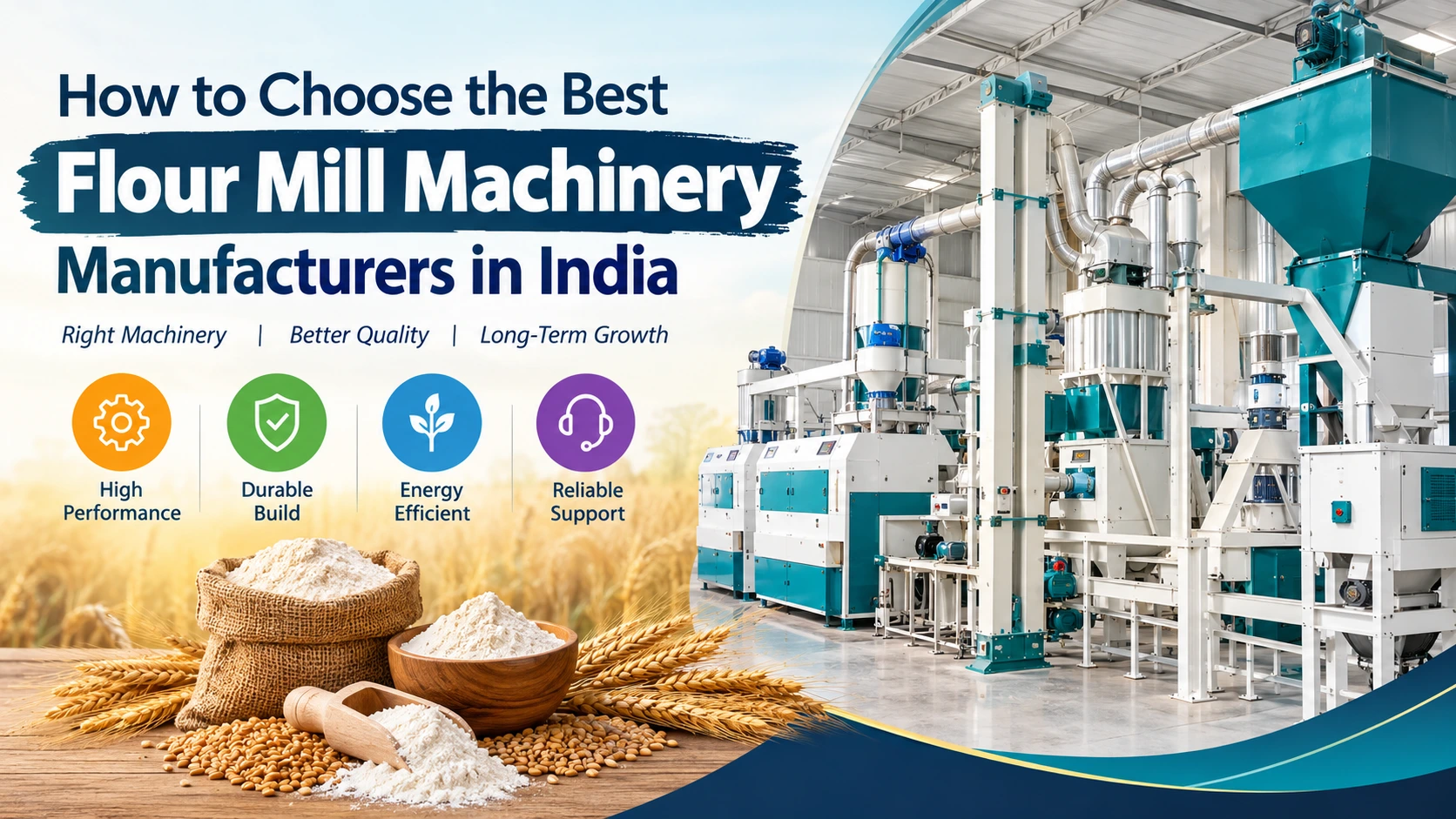
Choosing the right Flour Mill Machinery Manufacturers in India is therefore an important business decision. A good manufacturer does more than simply supply a machine. They help you select suitable equipment according to your production capacity, raw material, available space, power requirements, and business goals.
The flour milling industry plays an important role in India’s food processing sector. From small local flour mills to large commercial processing plants, every business needs reliable machinery to produce clean and consistent flour. The quality of the final product depends greatly on the performance, design, and efficiency of the machines used in the milling process.
With many manufacturers available in the market, selecting the right one can be confusing. Understanding a few important factors can make this decision easier and help you make a better long-term investment.
Understand Your Flour Milling Requirements
Before contacting a flour mill machinery manufacturer, first understand what your business actually needs. Flour milling machines are available in different capacities, sizes, designs, and levels of automation.
Consider the type of grains you want to process, such as wheat, maize, millet, gram, or other grains. You should also calculate your expected production capacity per hour or per day.
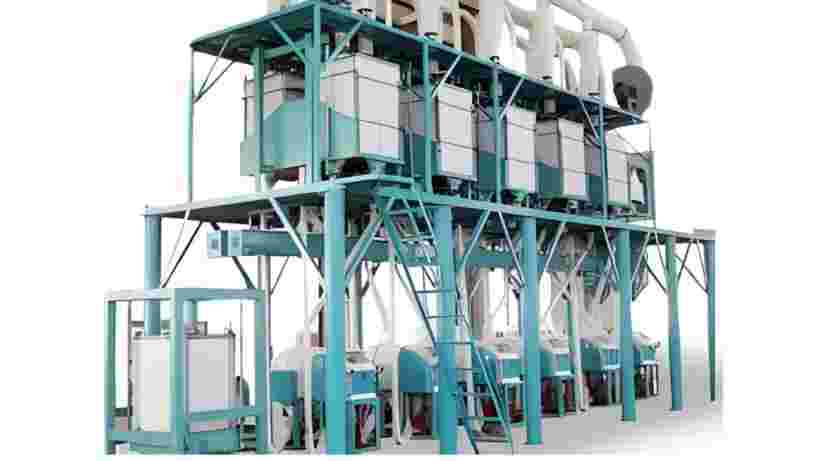
A small flour business may need compact machinery, while a commercial flour processing unit may require a complete plant with cleaning, grinding, sieving, conveying, and packaging systems.
When your requirements are clear, it becomes much easier to choose suitable machinery without spending money on unnecessary equipment.
Check the Manufacturer’s Experience and Industry Knowledge
Experience is an important factor when choosing among Flour Mill Machinery Manufacturers in India. An experienced manufacturer generally understands different milling requirements and knows how machinery should perform under regular industrial working conditions.
Check how long the company has been manufacturing flour milling equipment and what types of machines it offers. A knowledgeable manufacturer should be able to explain machine capacity, working process, power consumption, maintenance requirements, and suitable applications in simple terms.
Companies such as Swarn and Company focus on providing flour mill machinery for different processing requirements. Choosing a manufacturer with practical industry knowledge can help businesses select machines according to their actual production needs.
Focus on Machine Quality and Construction
Never select flour mill machinery only because of a low price. Machine quality directly affects performance, maintenance, product consistency, and equipment life.
Check the material used for manufacturing the machine, especially the parts that regularly come into contact with grains or flour. The structure should be strong enough to handle continuous operation and vibration.
You should also check important components such as motors, bearings, grinding systems, screens, feeding mechanisms, and electrical controls. Properly designed machinery can provide smoother operation and reduce unnecessary breakdowns.
Strong construction may require a higher initial investment, but it can provide better value over the long term.
Compare Production Capacity and Efficiency
Production capacity is one of the most important specifications of flour mill machinery. Manufacturers may offer machines suitable for small, medium, and large production units.
However, you should not select machinery only by looking at the highest capacity. The machine should match your actual production target.
Also consider energy efficiency. Electricity is a major operating expense in commercial flour milling. Machinery designed for efficient power use can help control operating costs.
Ask the manufacturer about output capacity, motor power, expected electricity consumption, and recommended operating hours before making your final choice.
Look for Modern Technology and Automation
Modern flour milling plants use improved systems to make processing faster, cleaner, and more consistent. Depending on the size of the plant, automation may be used for grain feeding, cleaning, grinding, sieving, conveying, and packaging.
Automation can reduce manual work and improve process control. However, every business does not need a fully automatic plant.
A reliable manufacturer should suggest the right level of automation according to your budget and production requirements instead of recommending expensive equipment that you may not actually need.
Check Safety and Hygiene Features
Food processing machinery should be designed with hygiene and safe operation in mind. Flour mill machines should allow easy cleaning so that dust, flour particles, and grain residue do not build up inside the equipment.
The machinery should also include suitable safety features around moving and electrical components.
Before purchasing, ask how easily the machine can be cleaned, inspected, and maintained. A well-designed machine can help businesses maintain a cleaner production environment and simplify routine maintenance.
Ask About Installation and After-Sales Support
The manufacturer’s responsibility should not end after selling the machine. Installation guidance, operator training, technical support, spare parts availability, and maintenance assistance can be extremely important after purchase.
Even high-quality machinery may require replacement of wear parts after long-term use. If spare parts are difficult to obtain, a small technical issue can stop production for a long period.
Therefore, compare manufacturers based on their after-sales service as well as their machinery.
Compare Price With Overall Value
Price is important, but the cheapest machine is not always the most economical choice.
Instead of comparing only the purchase price, consider the complete value of the machinery. Look at its capacity, power consumption, build quality, maintenance cost, expected service life, automation level, warranty, and after-sales support.
A slightly higher investment in dependable machinery may reduce maintenance expenses and production interruptions in the future.
Important Questions to Ask Before Buying
Before placing an order, ask the manufacturer about the machine’s production capacity, motor power, suitable grains, electricity requirements, installation process, warranty, spare parts, maintenance schedule, and delivery time.
You can also request machine specifications and, where possible, see a demonstration or working video. This will give you a better understanding of how the equipment operates before you invest.
Conclusion
Choosing the best Flour Mill Machinery Manufacturers in India requires more than comparing machine prices. You should carefully evaluate machinery quality, production capacity, energy efficiency, automation, hygiene, maintenance requirements, spare parts availability, and technical support.
The right machinery can improve production efficiency, maintain consistent flour quality, reduce unnecessary downtime, and support the long-term growth of your flour milling business.
Swarn and Company can be considered by businesses looking for flour milling machinery for different processing requirements. Before making a final decision, clearly define your production needs, compare technical specifications, and choose equipment that offers the right balance of performance, reliability, and long-term value.