Lift Repair Services play an important role in maintaining the safety, performance, and reliability of elevators in residential buildings, offices, shopping malls, hospitals, and industrial facilities. Elevators are used daily to transport people and goods between floors, so even a small technical problem can affect their operation. Regular inspection and professional repair help identify faults early and prevent unexpected breakdowns.
A properly maintained lift provides smooth movement, reliable performance, and a safer experience for passengers. Professional repair services also help improve equipment efficiency and reduce the chances of expensive component failures. DS Enterprises focuses on dependable lift solutions that help maintain elevator functionality, operational safety, and long-term performance.
Why Are Professional Lift Repair Services Important?
Elevators contain several mechanical, electrical, and safety-related components that must work together correctly. Over time, continuous operation can cause component wear, electrical faults, door problems, and unusual vibrations.
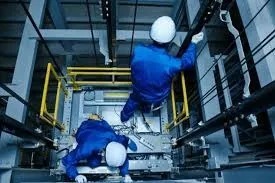
Professional lift repair services help identify these issues and restore proper functionality. Experienced technicians inspect important components, troubleshoot technical problems, and recommend suitable repair solutions.
Key reasons why lift repair is important include:
- Improved Safety: Helps maintain essential safety systems and reduce operational risks.
- Better Performance: Supports smooth starting, stopping, and floor movement.
- Reduced Downtime: Identifies problems before they lead to major breakdowns.
- Longer Equipment Life: Proper repairs help protect important lift components.
- Reliable Operation: Maintains consistent elevator functionality.
- Lower Repair Costs: Early fault detection can prevent more expensive damage.
Common Lift Problems That Require Professional Repair
Understanding common elevator problems helps building owners recognize when professional inspection is needed.
Lift Not Moving Properly
Sometimes an elevator may fail to start, stop unexpectedly, or respond slowly to floor commands. These problems may be related to electrical connections, control systems, sensors, or other technical components. Proper troubleshooting is necessary to identify the actual cause.
Elevator Door Malfunction
Lift doors are among the most frequently used components. Problems with door sensors, door operators, tracks, or alignment can prevent doors from opening and closing correctly. Regular inspection helps maintain safe door operation.
Unusual Noise and Vibration
Grinding sounds, sudden jerks, or unusual vibrations may indicate mechanical wear, alignment issues, or problems with moving components. Ignoring these warning signs can lead to further equipment damage.
Electrical and Control Panel Issues
Control panels manage elevator movement, floor selection, and operating functions. Damaged wiring, faulty sensors, or electrical component failures can affect lift performance and require professional attention.
Hydraulic System Problems
Hydraulic lifts depend on a pump, cylinder, oil, and control valves for their operation. Oil leakage, pressure loss, or pump-related issues can affect lifting capacity and movement.
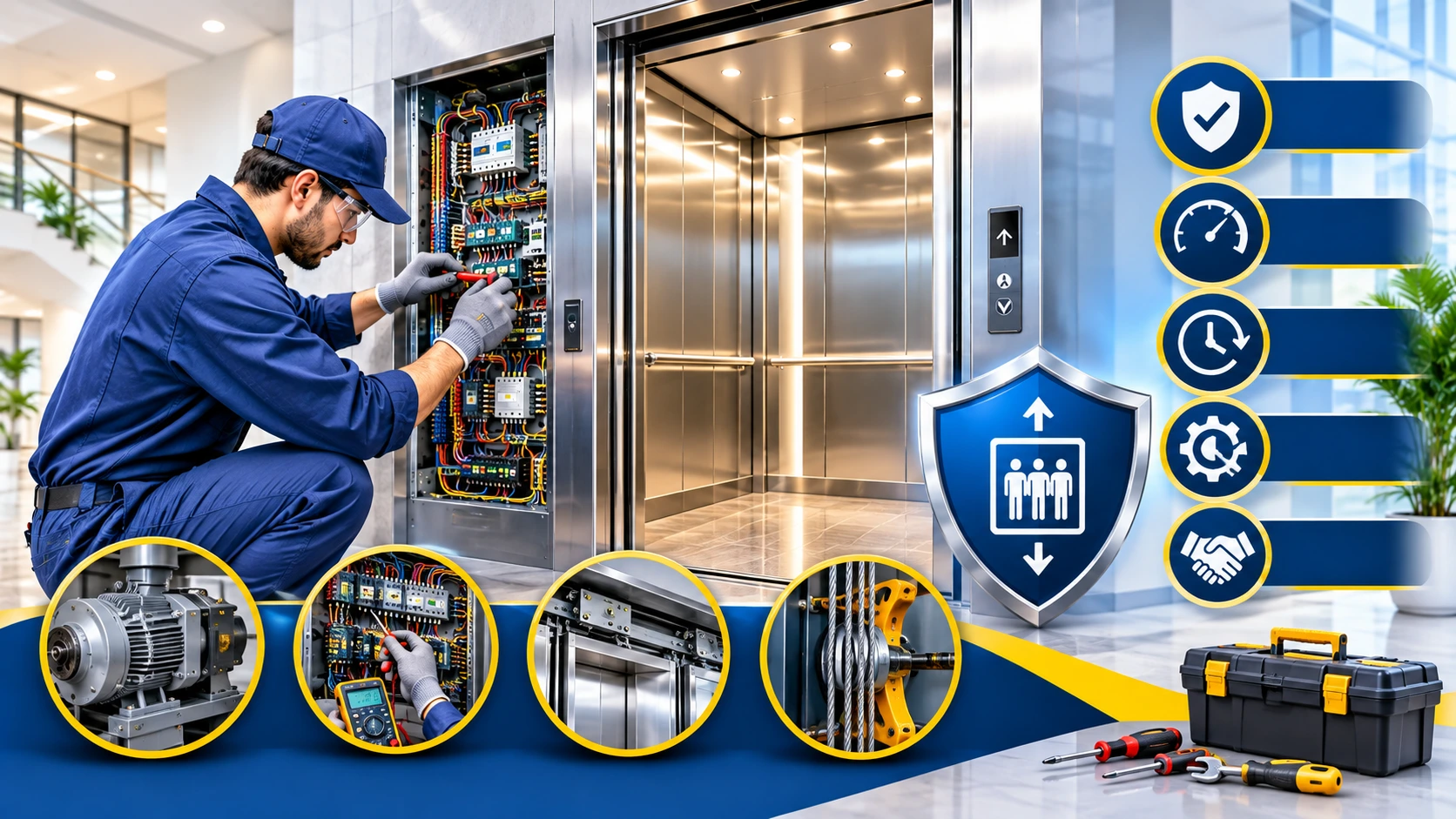
Important Components Checked During Lift Repair
A professional repair process involves examining different elevator components to ensure that the complete system operates correctly.
Lift Component Purpose
Lift Motor Provides the power required for movement
Control Panel Controls elevator operations
Door Operator Manages opening and closing of doors
Guide Rails Maintain proper lift car movement
Safety Sensors Detect certain unsafe operating conditions
Cables and Ropes Support the lift car in traction elevators
Hydraulic Unit Provides lifting force in hydraulic elevators
Braking System Helps control and stop elevator movement
The inspection requirements depend on the elevator type, design, operating conditions, and manufacturer’s recommendations.
Types of Lift Repair Services
Different elevator systems require different repair methods. Understanding these services helps building owners choose suitable technical support.
Passenger Lift Repair
Passenger lifts are commonly installed in residential apartments, hotels, offices, and commercial buildings. Their repair generally involves checking motors, doors, control panels, sensors, and safety systems to maintain comfortable and reliable transportation.
Goods Lift Repair
Goods lifts are designed to transport heavy materials, products, and equipment. Repair work may include inspecting load-handling components, hydraulic systems, guide rails, and electrical controls to maintain dependable material movement.
Hydraulic Lift Repair
Hydraulic elevators use fluid pressure to move the lift car. Their maintenance and repair may involve checking hydraulic pumps, cylinders, valves, oil levels, and associated electrical controls.
Commercial Lift Repair
Commercial elevators experience frequent usage in shopping centres, hospitals, hotels, and office buildings. Timely servicing helps maintain operational efficiency and reduces interruptions during busy hours.
Industrial Lift Repair
Industrial lifts are used in factories, warehouses, and manufacturing facilities. Their repair requires careful inspection of mechanical components, lifting systems, load-related parts, and control mechanisms.
How Professional Lift Repair Improves Elevator Safety
Safety is one of the most important reasons to arrange professional elevator repair. A lift contains several safety-related components that must function properly to protect passengers and equipment.
Professional technicians inspect braking systems, door interlocks, emergency communication systems, sensors, and other essential safety devices. They also investigate unusual movements, floor-level differences, and unexpected shutdowns.
Regular inspection and appropriate repairs help maintain safe elevator operation. Any safety-related fault should be addressed by qualified technicians before the elevator returns to normal service.
Benefits of Regular Lift Maintenance
Repairing a lift after a breakdown is not always the best approach. Preventive maintenance helps identify potential issues before they affect daily operations.
Important maintenance benefits include:
- Better elevator operating efficiency.
- Reduced chances of unexpected breakdowns.
- Improved passenger comfort.
- Early identification of worn components.
- More dependable door and control operation.
- Better monitoring of mechanical and electrical systems.
- Improved equipment lifespan.
- Reduced operational interruptions.
- Consistent lifting performance.
- Better long-term maintenance planning.
When Should You Contact Lift Repair Professionals?
Building owners and facility managers should arrange professional inspection whenever they notice unusual elevator behaviour.
Some common warning signs include:
- Lift doors are not closing properly.
- The elevator stops between floors.
- Unusual sounds come from the lift system.
- The lift moves with sudden jerks.
- Floor buttons do not respond correctly.
- The elevator takes longer than usual to operate.
- The lift does not level properly with the floor. If passengers become trapped or a safety fault occurs, use the emergency communication system and contact qualified lift professionals. Never attempt to repair elevator equipment without proper training.
How to Choose the Right Lift Repair Services?
Selecting a reliable lift repair service provider is important for maintaining elevator safety and performance. Before choosing a service provider, consider the following factors:
Technical Experience: Look for professionals who understand different elevator systems and their repair requirements.
Knowledge of Lift Components: The service provider should have knowledge of motors, control panels, door systems, hydraulic units, and safety mechanisms.
Safety Practices: Proper inspection procedures and safety precautions should be followed during repair work.
Fault Diagnosis: Choose a provider that identifies the actual cause of a problem instead of relying only on temporary solutions.
Maintenance Support: Regular inspection and maintenance assistance can help keep elevators in good operating condition.
Quality of Work: Proper repair methods and suitable replacement components are important for dependable performance.
Why Choose DS Enterprises for Lift Solutions?
Choosing the right lift service provider helps maintain reliable elevator operation and reduce technical interruptions. DS Enterprises focuses on understanding elevator requirements and the importance of proper maintenance and repair.
From identifying common lift problems to checking essential mechanical and electrical components, professional attention helps support smooth elevator functioning. A systematic approach to inspection, troubleshooting, and repair can also help improve equipment reliability.
For building owners, commercial facilities, and industrial spaces, timely lift repair is an important part of maintaining safe and efficient vertical transportation.
Conclusion
Professional Lift Repair Services are essential for maintaining elevator safety, performance, and long-term reliability. Regular inspections, timely troubleshooting, and proper component repairs help prevent unexpected failures and improve daily operations. Whether it is a passenger lift, goods lift, hydraulic lift, or industrial elevator, professional maintenance supports dependable functionality. With a focus on reliable lift solutions, DS Enterprises highlights the importance of proper repair practices and regular equipment care for smooth and efficient elevator operation.