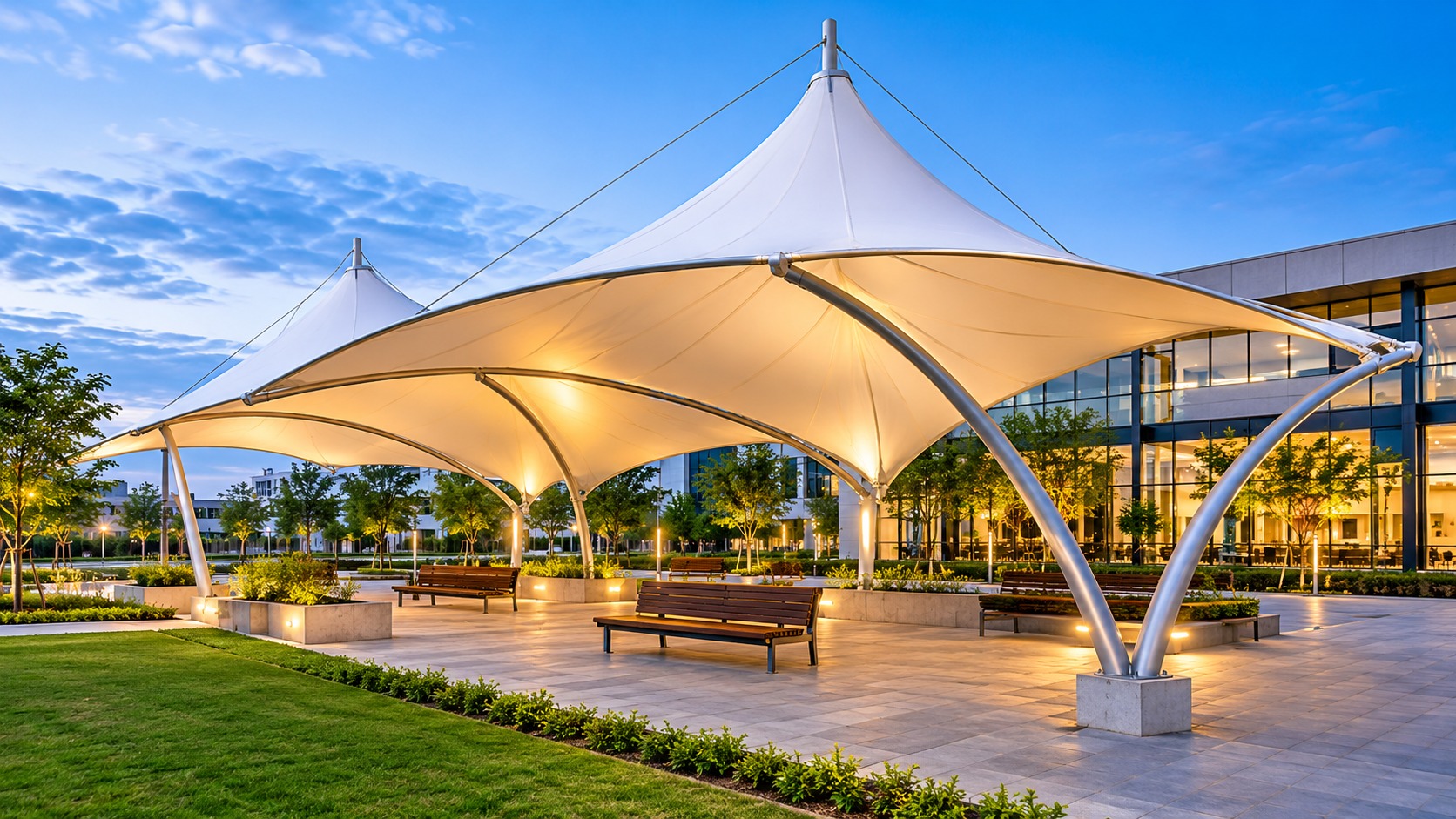
Modern architecture is continuously changing with new construction technologies, creative designs and advanced building materials. One such innovation is the use of tensile structures, which combine attractive designs with strength, flexibility and practical functionality. These structures are becoming popular in commercial buildings, shopping complexes, hotels, resorts, parking areas, sports facilities and outdoor spaces.
Tensile structures are specially designed systems that use tension to maintain their shape and support external loads. They generally consist of high-strength fabric membranes, steel cables and supporting frames. Their lightweight construction and unique appearance make them a suitable choice for projects that require large covered spaces without extensive internal columns.
What Are Tensile Structures?
Tensile structures are architectural systems that use stretched membranes supported by cables, steel frames or other structural elements. Instead of depending mainly on heavy construction materials, these structures distribute forces through tension.
They are designed to provide shade, weather protection and an appealing architectural appearance. Their flexible design allows architects and builders to create different shapes, including curved roofs, wave patterns, cone structures and large-span canopies.
Today, tensile structures are widely used in both temporary and permanent construction projects because of their versatility and efficient use of materials.
How Tensile Structures Are Transforming Modern Architecture
Tensile structures have introduced new possibilities in architectural planning and construction. Their lightweight materials and flexible designs allow architects to create visually attractive spaces that may be difficult to achieve with conventional roofing systems.
They are particularly useful for covering large areas while maintaining an open and spacious environment. Their modern appearance also helps commercial properties, public spaces and recreational facilities develop a distinctive identity.
Another important advantage is design flexibility. Tensile membranes can be customised according to the available space, building requirements, weather conditions and architectural preferences.
Different Types of Tensile Structures
Conical Tensile Structures
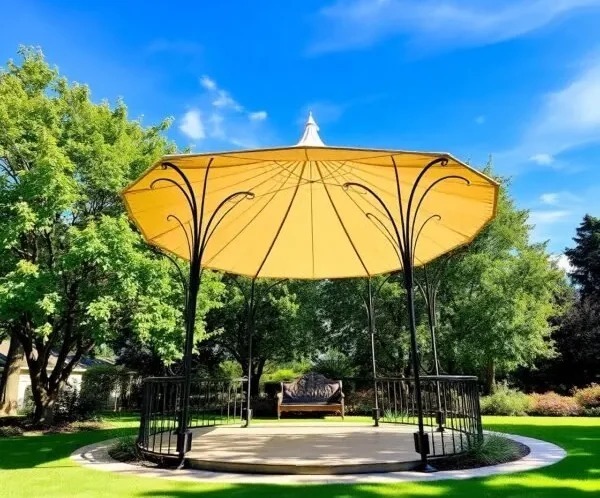
Conical tensile structures feature pointed or cone-shaped designs supported by central masts and tensioned fabric. They are commonly installed in gardens, outdoor restaurants, resorts, entrances and recreational areas.
Saddle Tensile Structures
Saddle-shaped structures use curved surfaces with multiple high and low points. Their design helps distribute tension across the membrane and creates an attractive architectural appearance.
Barrel Vault Tensile Structures
Barrel vault structures have a curved roof design that provides effective coverage over long spaces. They are suitable for walkways, parking areas, stadium passages and commercial properties.
Hypar Tensile Structures
Hypar structures use hyperbolic paraboloid shapes with opposite curved edges. They offer a modern appearance and are frequently selected for public spaces, outdoor seating areas and architectural projects.
Cantilever Tensile Structures
Cantilever tensile structures are designed with support from one side, keeping the covered area relatively open. They are useful for entrance canopies, vehicle parking and building extensions.
Durable Materials Used in Tensile Structures
The performance and durability of a tensile structure depend on the quality of its fabric, supporting framework and connection components.
PVC-Coated Polyester Fabric: This material is widely used because of its flexibility, weather resistance and practical maintenance requirements. Its protective coating helps improve resistance to moisture and outdoor exposure.
PTFE-Coated Fibreglass Fabric: PTFE-coated fibreglass is known for its durability, resistance to high temperatures and long-term performance. It is commonly considered for large architectural and permanent structures.
HDPE Fabric: High-density polyethylene fabric is frequently used in shade structures, outdoor seating areas and parking spaces. It provides lightweight coverage and UV protection, depending on the selected fabric specification.
Structural Steel: Steel pipes, columns and frames provide the necessary support to maintain the shape and stability of tensile structures. Proper surface treatment helps protect steel components against corrosion.
Stainless Steel Fittings and Cables: Stainless steel components are used in connections, tensioning systems and support arrangements. They help maintain structural stability and reliable performance.
Important Features of Modern Tensile Structures
Lightweight construction with efficient material usage.
Flexible designs for different architectural requirements.
High-quality fabric options for outdoor applications.
Attractive shapes and modern roof patterns.
Large-span coverage with fewer internal supports.
Customised dimensions and structural configurations.
Natural daylight transmission with suitable membrane materials.
Weather-resistant options for outdoor installations.
Relatively quick installation compared with some conventional roofing systems.
Suitable for commercial, industrial and recreational spaces.
Major Applications of Tensile Structures
Commercial Buildings
Shopping malls, hotels, restaurants and office complexes use tensile structures to create attractive entrances, covered walkways and outdoor seating areas. They improve the appearance and usability of commercial spaces.
Parking Areas
Tensile parking structures provide shade and help protect vehicles from direct sunlight and rain. They are commonly used in residential societies, offices, shopping centres and industrial facilities.
Sports Facilities
Sports complexes, swimming pools and recreational areas use tensile roofing to cover selected spaces. These structures can provide weather protection while maintaining an open atmosphere.
Resorts and Outdoor Restaurants
Resorts, cafes and outdoor dining areas use customised tensile structures to create comfortable and visually appealing spaces for visitors.
Public Spaces
Bus stops, pedestrian walkways, exhibition areas and public gathering spaces can benefit from tensile roofing because of its flexible design and large coverage possibilities.
Industrial Facilities
Industrial premises may use tensile structures for covered storage areas, loading zones, employee spaces and selected outdoor work areas.
Benefits of Installing Tensile Structures
Architectural Flexibility: Tensile structures support creative shapes and customised designs that help architects develop distinctive building appearances.
Reduced Structural Weight: Their lightweight construction can reduce the demand for heavy roofing materials, subject to the overall structural design.
Large Area Coverage: They can cover wide spaces with fewer internal columns, making movement and space utilisation easier.
Natural Lighting: Some membrane materials allow diffused daylight to enter, reducing the need for artificial lighting during daytime.
Weather Protection: Properly selected and installed membranes provide protection against sunlight, rain and other outdoor conditions.
Efficient Installation: Prefabricated components and planned installation processes can help reduce on-site construction time.
Customised Appearance: Different colours, shapes, sizes and membrane options allow projects to match their architectural requirements.
Important Factors to Consider Before Choosing a Tensile Structure
Selecting the right tensile structure requires careful planning and technical evaluation. Every project has different requirements, so the design should be developed according to its intended application.
Purpose of Installation: Identify whether the structure is required for parking, commercial roofing, walkways, sports facilities or outdoor seating.
Fabric Quality: Select a suitable membrane based on UV resistance, waterproofing, durability and environmental conditions.
Structural Design: Consider the required span, height, shape and supporting arrangement.
Wind and Rain Loads: The structure should be engineered according to applicable local design loads and site conditions.
Drainage Planning: Proper slopes and drainage arrangements help prevent water accumulation on the membrane.
Installation Quality: Professional fabrication, anchoring and tensioning are important for reliable performance.
Maintenance Requirements: Choose materials and components that can be inspected and maintained easily.
Tensile Structure Installation Process
A properly planned installation process helps improve the stability, safety and performance of the complete structure.
Site Inspection and Measurement: The installation team evaluates the available area, ground conditions, dimensions and project requirements.
Design and Engineering: Structural calculations, fabric patterns, support arrangements and connection details are prepared according to the project specifications.
Material Selection: Suitable membrane fabric, steel components, cables and fittings are selected for the intended application.
Fabrication: Steel frames and membrane components are manufactured according to approved drawings and measurements.
Foundation and Frame Installation: Supporting foundations, columns and structural frames are installed at the designated locations.
Membrane Installation and Tensioning: The fabric is positioned, connected and tensioned carefully to achieve the required shape and structural performance.
Final Inspection: Connections, tension levels, drainage arrangements and overall installation quality are checked before handover.
Why Choose Tensile Factory Pvt. Ltd.?
Choosing an experienced manufacturer is important when planning a reliable tensile structure project. Tensile Factory Pvt. Ltd. focuses on providing tensile structure solutions designed around different architectural and commercial requirements.
The selection of suitable materials, customised structural designs and proper installation planning plays an important role in achieving a durable result. From outdoor shade applications to commercial and industrial spaces, every project should be evaluated according to its dimensions, functional needs and environmental conditions.
Working with a professional tensile structure manufacturer helps customers understand available fabric options, design possibilities and structural requirements before starting construction.
Conclusion
Tensile structures are transforming modern architecture by combining creative designs, lightweight construction and functional space coverage. Their ability to create attractive shapes, cover large areas and provide outdoor protection makes them a valuable solution for commercial, industrial and recreational projects.
With suitable fabric materials, properly engineered support systems and professional installation, tensile structures can deliver reliable performance for different applications. Selecting the right manufacturer and considering project-specific requirements are essential steps towards achieving a successful installation.